Your Cart
Choosing a BESS Battery Rack for Energy Storage Projects


A Battery Rack is the structural and electrical unit that holds battery modules inside a BESS. It organizes battery modules, connects them in the correct voltage and capacity configuration, supports BMS communication, protects wiring, improves maintenance access, and helps manage safety and cooling. Choosing the right BESS battery rack is important because rack design affects system reliability, thermal performance, electrical protection, scalability, and long-term service life. Buyers should compare rack capacity, voltage range, battery chemistry, BMS compatibility, cooling method, safety protection, communication protocol, installation requirements, and supplier experience before selecting a battery rack system for commercial or utility energy storage projects.
Choosing a BESS Battery Rack for Energy Storage Projects
A Battery Rack may look like a simple metal structure, but in a BESS project, it plays a much bigger role. It holds battery modules, organizes electrical connections, supports safety protection, assists thermal management, and helps the whole energy storage system operate in a clean, serviceable, and scalable way.
For energy buyers, EPC companies, solar developers, and commercial project owners, choosing the right BESS battery rack is not a small detail. The rack affects installation quality, system lifespan, battery safety, maintenance efficiency, and future expansion. A strong battery pack can still perform poorly if the rack design is weak, hard to maintain, or poorly matched with the PCS, BMS, EMS, and cooling system.
That is why buyers should evaluate the battery rack as a core part of the complete energy storage system, not just as a housing frame.
What Is a BESS Battery Rack?
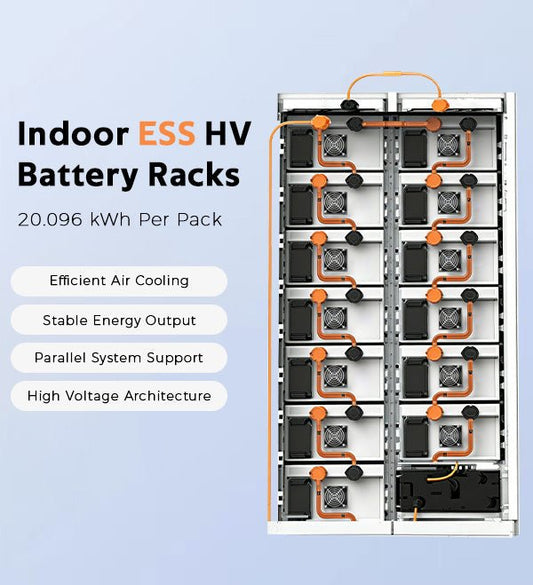
A BESS battery rack is the structure that holds and organizes battery modules inside a battery energy storage system. It provides mechanical support, electrical connection, communication routing, and maintenance access.
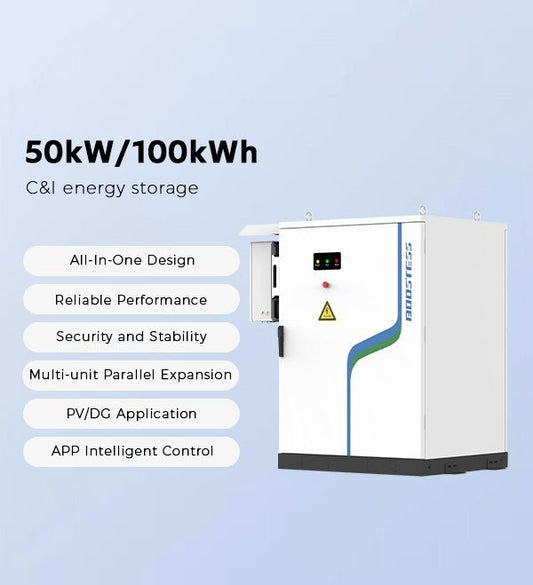
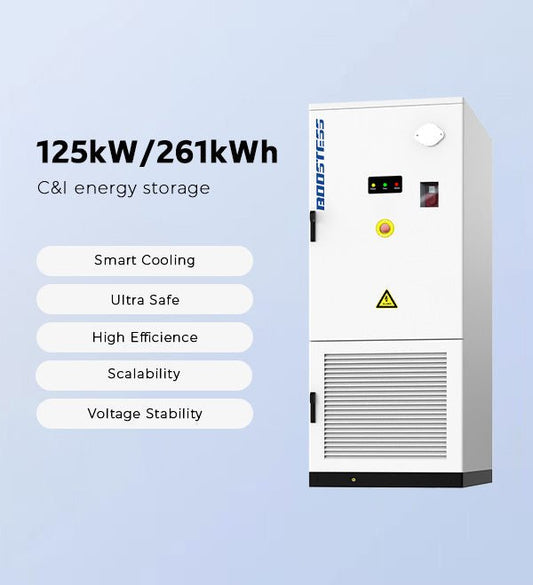
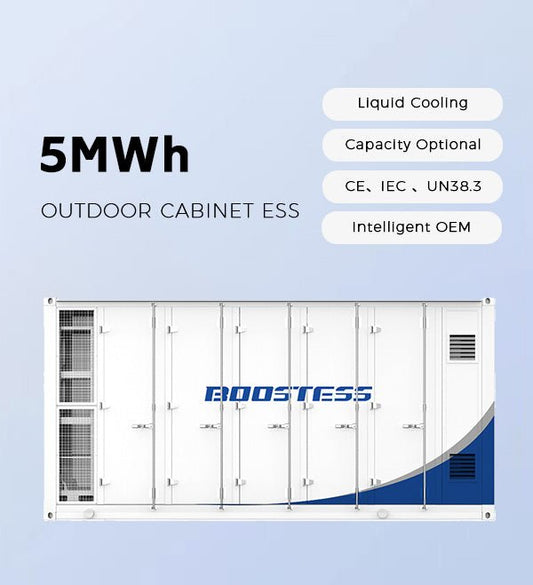
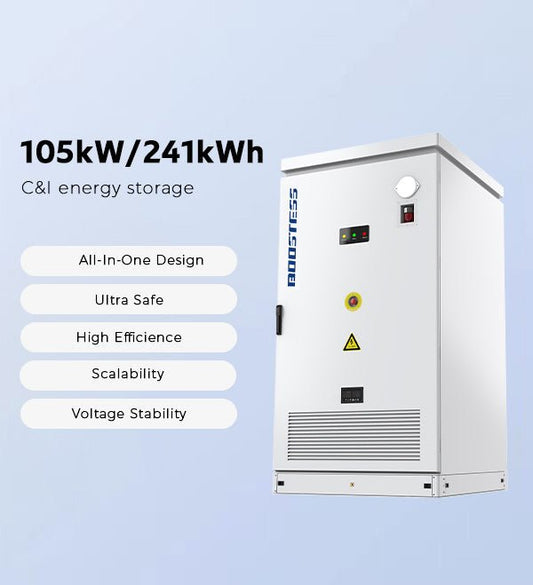
In smaller systems, the rack may be an indoor rack-mounted battery system. In commercial energy storage, battery modules may be installed inside outdoor cabinets. In utility-scale projects, multiple racks are often installed inside containerized BESS units.
The battery rack system usually includes module slots, rack frame, DC wiring, busbars, communication cables, sensors, protection devices, grounding parts, and sometimes rack-level BMS equipment.
In simple terms, the battery rack turns separate battery modules into a practical, manageable energy storage unit.
Why Battery Rack Design Matters
Battery rack design matters because it directly affects safety, airflow, electrical layout, installation, and maintenance. A well-designed rack keeps modules organized, cables protected, and service access clear. A poor design can create hidden problems.
For example, weak airflow can cause uneven battery temperature. Poor cable routing can make maintenance difficult. Loose mechanical structure can increase vibration risk. Bad insulation design can create electrical safety concerns. Limited access space can make module replacement slow and expensive.
In commercial and utility-scale BESS projects, these details are not cosmetic. They influence uptime, service cost, and long-term reliability.
A good battery rack design should be compact but not cramped, strong but serviceable, and scalable without becoming chaotic.
Main Components Inside a Battery Rack
A battery rack is made of several key parts. The first is the battery module. Modules store energy and are arranged in series or parallel to reach the required voltage and capacity.
The rack frame provides mechanical support. It must handle the weight of all modules and maintain structural stability during transport, installation, and operation.
DC busbars and power cables connect modules and transfer current. These parts must be correctly sized to reduce resistance, heating, and electrical loss.
The rack also includes BMS communication wiring. This allows voltage, temperature, current, SOC, SOH, and alarm data to move between battery modules, rack controllers, PCS, and EMS.
Protection components may include fuses, breakers, contactors, relays, insulation monitoring, and grounding connections. Temperature sensors and monitoring points help the system detect abnormal heat or operating conditions.
Together, these parts make the energy storage battery rack safe, visible, and controllable.
Battery Rack Capacity and Voltage
Battery rack capacity is usually measured in kWh. It shows how much energy the rack can store. Voltage depends on how the battery modules are connected.
When modules are connected in series, voltage increases. When modules are connected in parallel, capacity and current capability increase. The final configuration must match the project design.
This is important because the rack voltage must be compatible with the PCS or inverter. The rack capacity must also match the required backup time, load profile, and energy storage goal.
For example, a commercial battery rack used for peak shaving may need high power response and frequent cycling. A backup power rack may need enough energy capacity to support critical loads for a specific duration.
Buyers should always check rack nominal voltage, operating voltage range, usable capacity, rated current, maximum charge/discharge current, and compatibility with the full BESS architecture.
Battery Chemistry and Rack Compatibility
Battery chemistry affects rack design, safety, cooling, lifespan, weight, and cost. Common chemistries include lithium-ion, LiFePO4, sodium-ion, lead-acid, and flow battery technologies.
A LiFePO4 battery rack is widely used in modern BESS projects because lithium iron phosphate offers strong thermal stability, long cycle life, and reliable safety performance. This makes it popular for commercial battery rack systems, solar energy storage, and utility-scale storage.
Lithium-ion racks can offer high energy density and fast response. Sodium-ion may become more common in future storage projects. Lead-acid racks are still used in some backup applications, but they are less common in modern large-scale BESS because of shorter lifespan, lower usable capacity, and heavier maintenance requirements.
The rack must be designed around the battery chemistry. Different chemistries may require different spacing, thermal management, protection logic, voltage ranges, and safety controls.
Cooling and Thermal Management
Temperature control is one of the most important parts of battery rack performance. Batteries operate best within a controlled temperature range. Too much heat can accelerate degradation. Uneven temperature can create imbalance between modules. Cold conditions can reduce charging performance.
Battery racks may use air cooling or liquid cooling.
Air cooling is common in smaller or lower-density systems. It uses airflow channels, fans, HVAC, or cabinet ventilation to remove heat.
Liquid cooling is common in high-density commercial and utility-scale BESS. It provides better temperature uniformity and stronger thermal control, especially when the system cycles frequently or operates in hot environments.
When comparing a battery module rack, buyers should check airflow path, liquid cooling plate design, temperature sensor layout, thermal uniformity, maintenance needs, and environmental operating range.
Good cooling protects battery life. Poor cooling quietly shortens it.
Safety Features Buyers Should Check
Safety is a major factor when choosing a battery rack. A rack should support electrical safety, mechanical safety, thermal safety, and fire safety.
Important safety features include BMS protection, overcurrent protection, short-circuit protection, insulation monitoring, grounding design, emergency disconnect, contactors, fuses, breakers, and alarm reporting.
The rack should also be compatible with fire detection and fire suppression systems. In commercial and utility projects, fire protection is not only about the battery module. It also depends on cabinet layout, container design, gas detection, ventilation, emergency shutdown, and local compliance.
Mechanical safety matters too. The rack should have stable structure, strong load-bearing capacity, anti-vibration design, and secure module fixing.
A safe rack is not built from one feature. It is built from multiple protection layers working together.
Battery Rack Communication and Monitoring
A modern battery rack must communicate clearly with the rest of the BESS. The BMS collects data from modules and sends information to the PCS, EMS, and monitoring platform.
Important data includes state of charge, state of health, cell voltage, module temperature, current, insulation status, alarms, and fault codes.
Common communication methods include CAN, RS485, Modbus, Ethernet, and other project-specific protocols. The exact protocol should match the PCS and EMS.
Communication quality is critical. If the battery rack cannot send accurate data, the energy storage system may charge incorrectly, discharge too aggressively, shut down unexpectedly, or fail to optimize energy use.
For buyers, monitoring is also a service tool. It helps operators find issues early, track system performance, and support remote maintenance.
Installation and Maintenance Considerations
A battery rack must fit the real installation environment. Buyers should consider rack size, weight, floor loading, foundation requirements, cable routing, ventilation space, and front or rear service access.
For indoor battery rooms, spacing, HVAC, fire protection, and maintenance pathways are important. For outdoor cabinets, protection rating, corrosion resistance, waterproofing, and temperature range matter. For containerized systems, rack arrangement must support airflow, liquid cooling pipes, fire safety zones, and technician access.
Maintenance is another major point. Can modules be replaced easily? Are connectors accessible? Is the wiring clearly organized? Are fault modules easy to identify?
A rack that is difficult to service may increase downtime and labor cost over the project life.
Battery Rack for Commercial and Industrial BESS
A commercial battery rack is often used in factories, hotels, hospitals, warehouses, farms, data centers, cold storage facilities, and industrial parks. These sites use BESS for peak shaving, backup power, load shifting, solar storage, and energy cost control.
Commercial projects need safe and stable operation because power reliability affects business operations. A battery rack in these projects should support clear monitoring, strong BMS protection, practical maintenance, and proper cooling.
For commercial solar storage, the rack should also work well with solar inverters, hybrid PCS systems, EMS control, and site loads.
The goal is not only to store energy. The goal is to create dependable energy value.
Battery Rack for Utility-Scale Energy Storage
Utility-scale projects use multiple racks inside cabinets or containers. These systems require high-voltage architecture, consistent rack configuration, advanced cooling, strong fire protection, and grid-ready integration.
In large projects, rack consistency is extremely important. If racks have different behavior, temperature patterns, or communication quality, the whole system may become harder to control.
Utility-scale BESS also requires close coordination between battery racks, PCS stations, transformers, switchgear, EMS platforms, and grid connection equipment.
Scalability matters. A good rack design should support repeatable deployment across large projects without creating unnecessary complexity.
Common Mistakes When Choosing a Battery Rack
One common mistake is choosing a rack only by price. Low upfront cost may hide weak structure, poor cooling, limited protection, or difficult maintenance.
Another mistake is ignoring voltage compatibility. The rack voltage must match the PCS and system design. If not, integration problems can appear during commissioning.
Buyers may also overlook communication. BMS, PCS, and EMS must speak correctly. Protocol mismatch can cause alarms, shutdowns, or inaccurate control.
Other common mistakes include ignoring cooling design, choosing racks without enough service access, failing to check safety features, and selecting a rack that cannot support future expansion.
A battery rack should be chosen for lifecycle performance, not only purchase cost.
How to Compare Battery Rack Suppliers
A reliable supplier should provide more than a product price. Buyers should request datasheets, rack drawings, electrical diagrams, cooling design details, BMS communication information, safety design, test reports, warranty terms, and integration support.
Key comparison points include cell quality, module consistency, rack frame strength, protection devices, communication protocol, cooling method, installation requirements, certification support, and after-sales service.
Supplier experience is also important. BESS projects require engineering knowledge, not only manufacturing capability. The supplier should understand how the battery rack works with PCS, BMS, EMS, transformer, switchgear, fire protection, and site electrical design.
The best supplier helps reduce project risk before installation begins.
Final Thoughts
Choosing the right Battery Rack is one of the most important decisions in a BESS project. The rack affects safety, cooling, communication, capacity, voltage, maintenance, scalability, and long-term reliability.
A good battery rack system should match the battery chemistry, module design, PCS voltage range, BMS communication, EMS strategy, cooling system, installation environment, and project application.
For commercial and utility energy storage projects, buyers should look beyond appearance and price. They should evaluate the full system design.
The right BESS battery rack makes the energy storage system safer, cleaner, easier to maintain, and better prepared for long-term performance. In a serious energy storage project, that difference matters.