Your Cart
From Solar Storage to Grid Support: Rise of BESS Technology


Solar Storage is the process of storing excess solar energy in batteries for later use. BESS technology, or Battery Energy Storage System technology, expands this idea into a complete energy storage system that can support homes, businesses, solar farms, microgrids, EV charging stations, and utility grids. A modern BESS can charge from solar panels, wind turbines, the grid, or generators, then discharge stored energy during peak demand, nighttime use, outages, or grid support events. Key components include battery cells, PCS, BMS, EMS, thermal management, fire protection, switchgear, transformers, and monitoring software. Solar Storage and BESS technology are becoming essential because they improve renewable energy use, reduce electricity costs, support backup power, stabilize the grid, and create cleaner, smarter, and more flexible power systems.
From Solar Storage to Grid Support: The Rise of BESS Technology
Introduction
Solar Storage is no longer a niche idea for early adopters. It is becoming a central part of modern power planning. As solar energy expands, electricity demand rises, and power grids face more pressure, energy storage is moving from a supporting role into the main architecture of the energy transition.
At the heart of this shift is BESS technology. BESS stands for Battery Energy Storage System, a complete system that stores electricity and releases it when needed. It can help users control energy costs, improve backup power, increase solar self-consumption, and support grid stability.
The story is simple, but powerful. Electricity is becoming more flexible. Power is no longer only generated and consumed instantly. It can now be stored, managed, dispatched, and optimized with remarkable precision.
What Is Solar Storage?
Solar Storage means storing excess solar energy for later use. Solar panels usually generate the most electricity during the day, especially around midday. But homes, businesses, and industrial sites may need more power in the evening, at night, or during peak demand periods.
That timing mismatch is the main reason solar battery storage matters.
When solar panels produce more electricity than the site is using, the unused power can be stored in a battery instead of being wasted or exported at low value. Later, the stored energy can be used for nighttime loads, backup power, peak shaving, or improved self-consumption.
In practical terms, Solar Storage makes solar power more useful. It turns sunlight into a controllable energy resource instead of a momentary generation event.
What Is BESS Technology?
BESS technology refers to a Battery Energy Storage System. It is a complete energy storage system designed to charge, store, manage, and discharge electricity safely.
A BESS can work with many power sources, including solar panels, wind turbines, utility grids, diesel generators, microgrids, and hybrid energy systems. This flexibility makes BESS useful for residential, commercial, industrial, and utility-scale applications.
A battery energy storage system is not just a battery pack. It includes batteries, power conversion equipment, safety systems, control software, monitoring tools, and electrical protection. These components work together like a coordinated energy ecosystem.
The battery stores energy. The control system decides when to use it. The power electronics convert it into usable electricity. The safety systems protect the entire operation.
How Solar Storage and BESS Work Together
Solar Storage and BESS technology are naturally connected. In a solar-plus-storage system, solar panels generate electricity during daylight hours. The battery stores excess energy when production is higher than demand. Later, the BESS releases that energy when the site needs it.
This can happen during nighttime use, grid outages, high electricity price periods, or peak demand hours.
The system depends on several important components. Inverters or PCS units manage power conversion between DC and AC electricity. The BMS monitors battery health and safety. The EMS controls the energy strategy, deciding when to charge, discharge, or remain on standby.
This is where the system becomes intelligent. It does not simply store energy. It evaluates conditions and acts with purpose.
Why Solar Storage Is Becoming More Important
Solar energy is growing because it is clean, scalable, and increasingly attractive for energy buyers. But solar power has one major limitation: it depends on sunlight.
Demand does not always follow the sun. A factory may have peak loads in the late afternoon. A hotel may consume more electricity in the evening. A data center needs power continuously. A utility grid may need support during sudden demand spikes.
Solar Storage helps bridge this gap.
Battery storage reduces wasted solar generation and improves renewable energy utilization. It allows more solar power to be used on-site and helps reduce dependence on the grid. For solar farms, storage can also shift energy delivery into higher-value periods.
Without storage, solar is productive. With storage, solar becomes dispatchable.
From Backup Power to Smart Energy Management
Battery storage was once viewed mainly as emergency backup. That role is still important, but BESS technology has evolved far beyond standby power.
Modern battery energy storage systems are active energy management tools. They can perform peak shaving, load shifting, demand charge reduction, time-of-use optimization, solar self-consumption, and grid support.
Peak shaving helps businesses reduce their highest electricity demand. Load shifting allows users to charge batteries when electricity is cheaper and discharge when power is more expensive. Time-of-use optimization turns the battery into a financial lever.
This is why businesses are investing in commercial solar storage and BESS. The system can improve reliability and reduce costs at the same time.
BESS Technology for Commercial and Industrial Energy
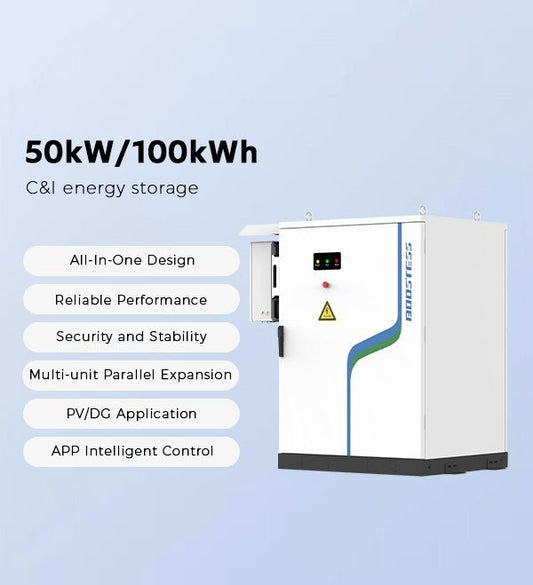
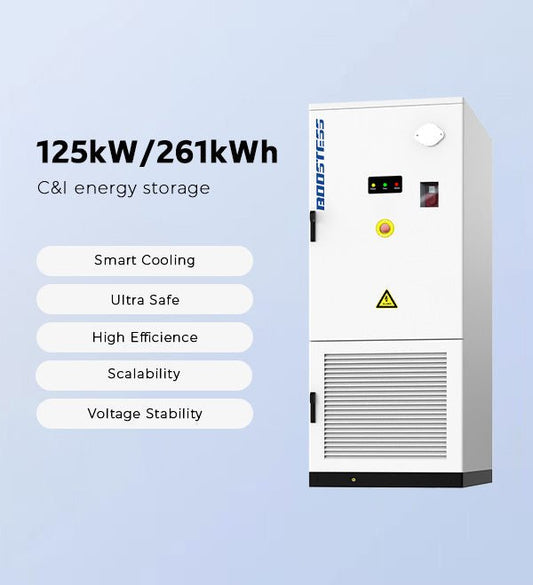
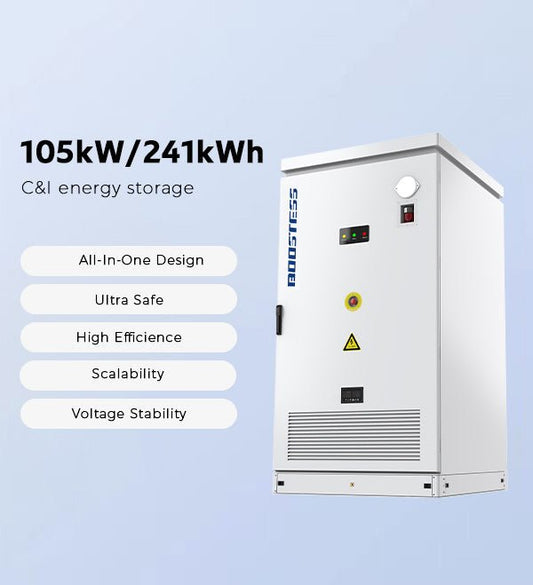
Commercial and industrial sites are among the strongest use cases for BESS technology. Factories, warehouses, hotels, hospitals, data centers, farms, cold storage facilities, and industrial parks often have high electricity demand and strict reliability requirements.
For these users, power interruptions can be expensive. Energy bills can be unpredictable. Peak demand charges can be painful.
A commercial BESS can reduce electricity costs by discharging during high-demand periods. It can store solar energy during the day and use it later. It can also provide backup support for critical loads.
For energy-intensive operations, this creates a new level of resilience. The site becomes less vulnerable to grid instability, tariff changes, and outage risk.
Commercial solar storage is not only about saving money. It is about operational continuity, energy autonomy, and long-term control.
BESS for Grid Support
BESS technology also plays a major role in grid support. Power grids must balance supply and demand every second. If demand suddenly rises or renewable generation drops, the grid needs fast response.
Battery storage can respond quickly. Very quickly.
Grid support battery storage can provide frequency regulation, voltage support, load balancing, renewable smoothing, and emergency power response. It can absorb excess electricity when generation is high and discharge power when demand increases.
For solar and wind projects, BESS helps smooth variable output. For utilities, it adds flexibility without always requiring major grid upgrades.
This is why grid operators are increasingly looking at BESS as a core tool for modern energy infrastructure. It is modular, fast-responding, and scalable.
Main Components of a BESS
A professional energy storage system includes several important components. Each one supports performance, safety, and control.
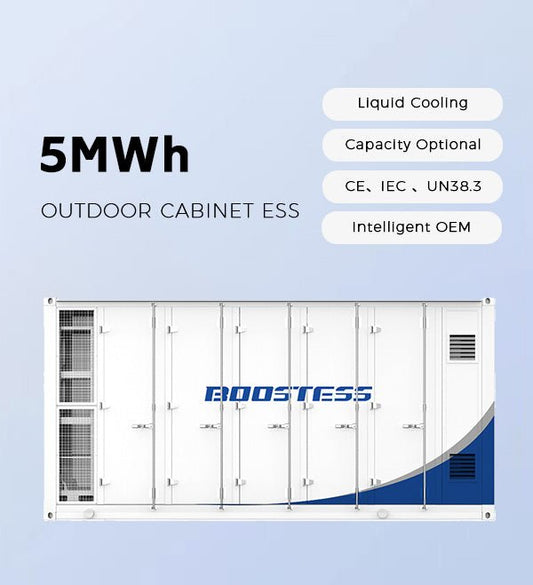
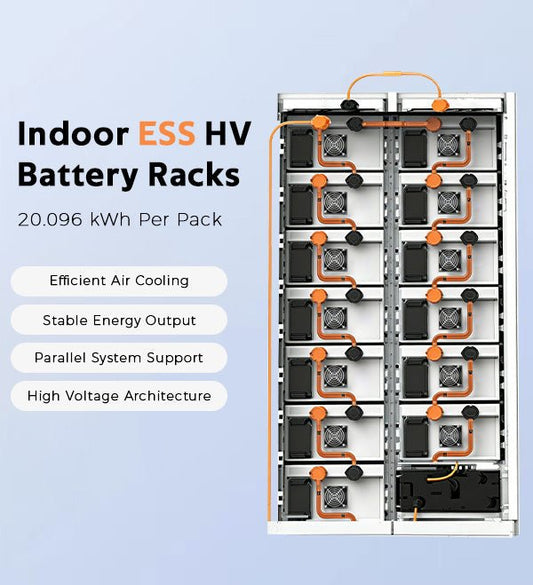
Battery cells, modules, racks, cabinets, or containers form the energy storage foundation. Cells are grouped into modules, modules are arranged into racks, and larger systems are installed in cabinets or containers.
PCS, or Power Conversion System, converts electricity between DC and AC. Batteries store DC power, while buildings and grids usually use AC power. The PCS manages this bidirectional energy flow.
BMS, or Battery Management System, protects the battery. It monitors voltage, temperature, current, state of charge, state of health, and safety alarms.
EMS, or Energy Management System, controls the operating strategy. It decides when the system should charge, discharge, idle, or respond to external signals.
Thermal management keeps the batteries within a safe temperature range. Fire protection reduces safety risk. Transformers, switchgear, and monitoring software support grid connection, electrical protection, and real-time visibility.
A BESS works well only when all these parts are properly integrated.
Battery Types Used in Solar Storage and BESS
Different battery chemistries can be used in Solar Storage and BESS technology. Each has its own strengths and limitations.
Lithium-ion batteries are widely used because they offer high efficiency, strong power response, and compact system design.
LiFePO4 battery storage, also called lithium iron phosphate battery storage, is especially popular for modern stationary energy storage. It is known for safety, long cycle life, thermal stability, and reliable performance.
Flow batteries are often considered for long-duration storage applications. They can be useful where extended discharge time is more important than compact size.
Sodium-ion batteries are an emerging storage option. They may become more common as technology matures and supply chains diversify.
Lead-acid batteries are familiar and lower-cost upfront, but they are less common in modern large-scale BESS because they usually offer shorter cycle life, lower usable capacity, and higher maintenance requirements.
For many commercial and solar storage systems, lithium and LiFePO4 batteries are preferred because they offer a strong balance of efficiency, lifespan, safety, and lifecycle value.
Benefits of Solar Storage and BESS Technology
Solar Storage and BESS technology provide a wide range of benefits for homes, businesses, utilities, and renewable energy developers.
They store excess renewable energy instead of wasting it. They reduce electricity costs through peak shaving and load shifting. They provide backup power during outages. They improve solar self-consumption and help users rely less on grid electricity.
BESS also improves grid stability by responding quickly to supply and demand changes. It can reduce diesel generator dependence, lowering fuel consumption, noise, and emissions.
The broader benefit is flexibility. BESS gives energy users more control over when electricity is stored, when it is used, and how it supports the site or grid.
That control is becoming increasingly valuable.
Challenges and Limitations
BESS technology is powerful, but it is not a plug-and-play decision. Projects must be designed carefully.
The first challenge is upfront investment cost. Batteries, PCS equipment, EMS platforms, thermal management, fire protection, installation, and commissioning all affect total project cost.
Battery degradation is another factor. Over time, batteries lose some capacity depending on cycle life, temperature, depth of discharge, and operating strategy.
Safety also matters. A quality BESS should include proper BMS protection, thermal management, electrical protection, fire detection, and emergency shutdown functions.
Other challenges include space requirements, installation design, grid connection, permitting, compliance, and battery recycling. End-of-life planning is becoming more important as battery deployment grows.
Good engineering reduces these risks. Poor design magnifies them.
How to Choose the Right Solar Storage or BESS Solution
Choosing the right Solar Storage or BESS solution starts with understanding the application. A home backup system, commercial peak shaving system, solar farm storage project, and utility grid support system all need different designs.
Buyers should consider power rating, energy capacity, battery chemistry, backup time, site load profile, solar generation, installation environment, and future expansion needs.
Power rating is usually measured in kW or MW. It shows how much power the system can deliver at one time. Energy capacity is measured in kWh or MWh. It shows how much energy the system can store.
Buyers should also compare PCS, BMS, EMS, cooling method, fire protection, warranty, cycle life, supplier experience, and after-sales support.
Professional sizing is essential. A system that is too small may not deliver enough value. A system that is too large may increase investment without improving payback.
The Future of BESS Technology
The future of BESS technology is closely connected to solar-plus-storage, EV charging, microgrids, commercial energy management, and utility-scale storage.
Smarter EMS platforms will make systems more autonomous and data-driven. AI-based optimization may improve forecasting, charging strategy, and energy dispatch. Liquid cooling will support higher-density battery cabinets and better temperature control. Safer battery designs and improved chemistries will continue to strengthen system reliability.
BESS will also play a growing role in EV charging stations. Fast charging can create high grid demand, and battery storage can reduce pressure on local electrical infrastructure.
At the utility level, larger battery systems will support grid modernization, renewable integration, and flexible power dispatch.
The direction is clear. Power systems are becoming more digital, distributed, and dynamic. BESS technology fits that future.
Conclusion
Solar Storage and BESS technology are changing how electricity is generated, stored, managed, and used. What started as simple backup power has become a core part of renewable energy, commercial energy savings, and grid support.
Solar Storage helps capture clean energy and use it when it matters most. BESS technology expands that capability into a complete energy storage system for homes, businesses, solar farms, microgrids, EV charging stations, and utilities.
From peak shaving to backup power, from solar self-consumption to grid stability, battery energy storage is becoming essential infrastructure.
The final takeaway is simple: cleaner energy needs smarter storage. Solar Storage and BESS technology make electricity more flexible, reliable, and valuable for the next generation of power systems.