Your Cart
BESS Explained: The Battery Tech Changing Power


BESS, or Battery Energy Storage System, is a technology that stores electricity in batteries and releases it when power is needed. A BESS can charge from solar panels, wind turbines, the grid, or generators, then discharge energy for backup power, peak shaving, load shifting, grid support, and renewable energy integration. Modern BESS projects usually include battery modules, a battery management system, power conversion system, energy management system, thermal management, fire protection, switchgear, and monitoring software. BESS is changing power by making electricity more flexible, reliable, efficient, and easier to manage for homes, businesses, utilities, solar farms, factories, data centers, and microgrids.
BESS Explained: The Battery Tech Changing Power
Electricity is changing. For many years, power systems were built around one simple idea: generate electricity, send it through the grid, and use it immediately. But renewable energy, rising electricity demand, grid instability, electric vehicles, and energy cost pressure have changed the way people think about power.
This is where BESS comes in.
BESS stands for Battery Energy Storage System. It is one of the most important technologies in modern energy because it allows electricity to be stored and used later. Instead of wasting extra solar power during the day or depending only on the grid during peak demand, a BESS can store energy when it is available and deliver it when it is needed most.
From solar battery storage to commercial BESS projects and utility-scale grid energy storage, battery storage technology is helping create a cleaner, smarter, and more reliable power system.
What Is BESS?
A BESS is a complete battery energy storage system that stores electrical energy and releases it when required. It is more than just a battery. A full BESS includes batteries, power electronics, safety systems, control software, thermal management, and grid connection equipment.
A BESS can store electricity from different sources, including:
- Solar panels
- Wind turbines
- Utility grid power
- Diesel or gas generators
- Hybrid renewable energy systems
Once energy is stored, the system can discharge it to power a building, support the grid, reduce electricity costs, or provide backup during outages.
BESS is used in many places, including homes, factories, warehouses, hospitals, hotels, data centers, farms, solar farms, EV charging stations, and utility substations.
How Does a Battery Energy Storage System Work?
A battery energy storage system works through a simple charge and discharge process.
When electricity is available, the BESS charges the battery. This may happen during the day when solar panels produce more power than a site needs, or at night when grid electricity prices are lower. The stored energy remains inside the battery until it is needed.
When demand rises, grid power becomes expensive, or an outage happens, the BESS discharges stored electricity to the load or grid.
Because batteries store electricity as DC power, while most buildings and grids use AC power, the system needs a power conversion system, also called a PCS or energy storage inverter. The PCS converts DC battery power into AC power and can also convert AC power back into DC when charging the battery.
This controlled energy flow is what makes BESS useful for energy management, backup power, peak shaving, solar self-consumption, and grid services.
Main Components of a BESS
A modern BESS includes several key components that work together for safe and reliable operation.
Battery cells and modules are the energy storage core of the system. They store electricity and release it during discharge.
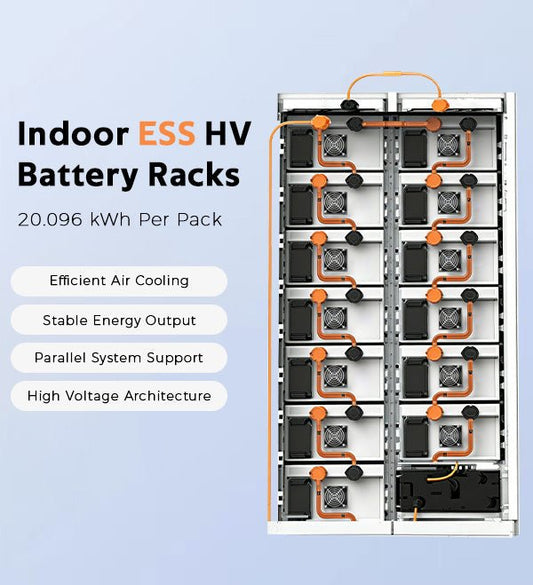
Battery racks or cabinets organize battery modules into a complete system. These may be indoor racks, outdoor cabinets, or containerized BESS units.
Battery management system monitors battery voltage, current, temperature, state of charge, state of health, and safety alarms.
Power conversion system converts power between DC and AC so the battery can connect to loads or the grid.
Energy management system controls when the BESS charges, discharges, and responds to energy demand.
Thermal management system keeps the batteries within a safe temperature range using air cooling, liquid cooling, HVAC, or other cooling technology.
Fire protection system helps detect and control safety risks inside the battery system.
Transformer and switchgear connect the BESS to the site electrical system or utility grid.
Monitoring software allows operators to track performance, alarms, energy flow, and system health.
Together, these components make BESS a complete energy storage solution, not just a battery box.
Why BESS Is Changing the Power Industry
BESS is changing power because it solves one of electricity’s biggest challenges: timing. Power is not always generated when people need it most.
Solar panels produce energy during the day, but homes and businesses often use more electricity in the evening. Wind energy can change depending on weather. Grid demand can rise quickly during peak hours. Without storage, this creates waste, stress, and higher costs.
A battery energy storage system helps by storing electricity during low-demand or high-generation periods and releasing it during high-demand periods.
This makes power systems more flexible. It also helps reduce dependence on fossil fuel backup systems and supports the growth of renewable energy.
BESS and Renewable Energy
Renewable energy is one of the biggest drivers of BESS adoption. Solar and wind power are clean, but they are also variable. The sun does not shine at night, and wind production changes throughout the day.
BESS helps solve this problem by storing renewable energy and making it available later.
In a solar-plus-storage system, solar panels generate electricity during the day. Some energy powers the building directly, while extra energy charges the battery. At night or during peak pricing hours, the battery discharges stored solar power.
This improves solar self-consumption and reduces wasted energy. For solar farms, BESS can help shift solar generation into evening demand periods. For businesses, solar battery storage can reduce grid dependence and improve energy savings.
Commercial BESS for Businesses
Commercial BESS systems are becoming popular because businesses need reliable power and better control over electricity costs.
Factories, warehouses, hotels, hospitals, data centers, farms, and shopping centers often face high demand charges. These charges are based on peak electricity use. A BESS can discharge during peak demand periods, reducing the power drawn from the grid. This is called peak shaving.
Commercial BESS can also support:
- Demand charge reduction
- Backup power
- Solar self-consumption
- Load shifting
- Power quality improvement
- EV charging support
- Microgrid operation
- Energy cost optimization
For businesses that depend on stable power, BESS can also reduce downtime and protect critical equipment during outages or grid disturbances.
BESS for Grid Energy Storage
Grid energy storage is another major use of BESS. Utilities and grid operators use battery energy storage systems to balance supply and demand, improve grid stability, and support renewable energy integration.
Grid-scale BESS can respond very quickly to changes in power demand. This makes it useful for frequency regulation, voltage support, load shifting, and emergency grid response.
For example, if grid demand suddenly rises, a BESS can discharge power almost instantly. If renewable energy production is too high, the BESS can absorb extra electricity and store it for later.
This fast response makes battery storage technology valuable for modern grids with high levels of renewable energy.
Types of Batteries Used in BESS
Different battery chemistries can be used in BESS projects. The best choice depends on application, budget, safety requirements, lifespan, and performance needs.
Lithium-ion batteries are widely used because they offer high efficiency, good energy density, and fast response.
LiFePO4 batteries, also called lithium iron phosphate batteries, are popular in modern BESS because they provide strong safety, long cycle life, and stable performance.
Flow batteries are used in some long-duration energy storage applications because they can be designed for extended discharge times.
Sodium-ion batteries are emerging as a possible alternative for certain energy storage markets.
Lead-acid batteries are older and cheaper upfront, but they usually have shorter lifespan and lower usable capacity compared with lithium-based systems.
For many commercial and industrial BESS projects, LiFePO4 battery energy storage is preferred because it offers a good balance of safety, cost, lifespan, and performance.
Key Benefits of BESS
BESS offers many benefits for homes, businesses, utilities, and renewable energy projects.
One major benefit is energy cost savings. A BESS can charge when electricity is cheaper and discharge when electricity is more expensive.
Another benefit is backup power. During a grid outage, a properly designed BESS can keep essential loads running.
BESS also improves renewable energy use by storing solar or wind power instead of wasting it.
For commercial users, BESS supports peak shaving and demand charge reduction. For utilities, it supports grid stability and power balancing.
Other benefits include:
- Faster response than traditional backup systems
- Lower dependence on diesel generators
- Better power reliability
- Improved energy independence
- Reduced carbon emissions
- More flexible energy management
- Support for EV charging infrastructure
These advantages explain why BESS is becoming a core part of modern power planning.
Challenges and Limitations of BESS
Although BESS is powerful, it also has challenges.
The first challenge is upfront cost. Battery systems require investment in batteries, PCS, EMS, safety systems, installation, and grid connection.
Another challenge is battery degradation. Over time, batteries lose some capacity depending on cycling, temperature, charging habits, and system design.
Safety is also important. A BESS must include proper battery management, thermal control, fire protection, electrical protection, and monitoring.
Other limitations may include:
- Space requirements
- Permitting and grid connection rules
- Maintenance needs
- Cooling system design
- Recycling and end-of-life planning
- Supplier quality differences
- System sizing complexity
These challenges can be managed with good engineering, quality equipment, and professional installation.
How to Choose the Right BESS
Choosing the right BESS starts with understanding the project goal. A battery system for a factory is different from a battery system for a solar farm or home backup project.
Important factors include:
- Power rating in kW or MW
- Energy capacity in kWh or MWh
- Battery chemistry
- Cycle life
- Depth of discharge
- PCS and inverter design
- Cooling method
- Safety features
- Fire protection system
- EMS control strategy
- Warranty and service support
- Grid connection requirements
- Installation environment
For commercial and industrial users, load profile analysis is very important. The system must be sized based on real power demand, peak loads, backup needs, and energy cost structure.
For solar projects, the BESS should match solar generation, inverter capacity, grid export limits, and energy shifting goals.
Future of BESS Technology
The future of BESS is strong because the world needs cleaner and more flexible electricity. As solar, wind, electric vehicles, and digital infrastructure grow, battery energy storage will become even more important.
BESS technology is improving in many areas, including battery chemistry, liquid cooling, fire safety, power conversion, monitoring software, and system integration.
Future BESS systems will likely offer better efficiency, longer lifespan, lower cost, stronger safety, and smarter grid interaction. Growth will continue in commercial BESS, utility-scale storage, solar-plus-storage systems, microgrids, EV charging stations, and industrial energy storage.
As electricity demand rises, BESS will help power systems become more reliable and less dependent on traditional fossil fuel backup.
Final Thoughts
BESS is one of the most important technologies changing the power industry. It allows electricity to be stored, controlled, and used more intelligently.
A battery energy storage system can support solar power, reduce energy costs, provide backup power, stabilize the grid, and improve energy independence. Whether used in a factory, hotel, hospital, solar farm, data center, microgrid, or utility project, BESS makes electricity more flexible and reliable.
The key to a successful BESS project is choosing the right battery chemistry, system size, PCS, EMS, safety design, cooling system, and supplier. When properly designed, BESS can deliver long-term value and help build a cleaner, smarter, and more resilient energy future.