Your Cart
BESS Meaning Explained for Energy Buyers


BESS meaning refers to Battery Energy Storage System, a complete power storage solution that stores electricity in batteries and releases it when needed. For energy buyers, BESS is important because it can reduce electricity costs, store solar energy, provide backup power, support peak shaving, improve grid reliability, and reduce dependence on diesel generators. A modern BESS usually includes battery modules, BMS, PCS or inverter, EMS, thermal management, fire protection, switchgear, transformer, and monitoring software. Buyers should compare BESS capacity, power rating, battery chemistry, safety features, warranty, supplier experience, and total lifecycle cost before choosing a system.
BESS Meaning Explained for Energy Buyers
Energy buyers are hearing the term BESS more often than ever. It appears in solar projects, factory energy plans, grid storage tenders, peak shaving proposals, backup power systems, and commercial energy storage quotations. But what does it actually mean, and why should buyers care?
The simple BESS meaning is Battery Energy Storage System. It is a system that stores electricity in batteries and releases it when power is needed. For businesses, solar developers, factories, hotels, hospitals, data centers, and industrial parks, BESS can be a powerful tool for lowering energy costs, improving power reliability, and using renewable energy more effectively.
However, BESS is not just a battery. It is a complete battery energy storage solution that includes batteries, power conversion equipment, control software, safety protection, thermal management, and monitoring systems. Understanding these basics helps energy buyers choose the right system and avoid costly mistakes.
What Is the BESS Meaning?
The term BESS stands for Battery Energy Storage System. It describes a complete energy storage system that can charge, store, and discharge electricity.
A BESS can store energy from different sources, including solar panels, wind turbines, the utility grid, or generators. When electricity is available, cheaper, or produced in excess, the system stores it. When electricity is needed, expensive, or unavailable, the system releases stored power.
For energy buyers, this means BESS can support several business goals:
- Store excess solar energy
- Reduce peak electricity demand
- Provide backup power
- Lower demand charges
- Support off-grid or microgrid systems
- Improve energy independence
- Reduce generator fuel use
- Stabilize power supply
This is why the BESS meaning matters. It is not only a technical term. It is a practical energy solution for cost savings and reliability.
How Does a BESS Work?
A battery energy storage system works in three main steps: charging, storing, and discharging.
During charging, electricity flows into the battery system. This power may come from solar PV, the grid, wind turbines, or a generator. In solar projects, BESS often charges during the day when solar generation is high. In commercial sites, it may charge during low-price electricity periods.
During storage, the battery keeps the energy ready for later use. The battery management system monitors voltage, current, temperature, state of charge, and battery health.
During discharging, the stored electricity is released to power loads, reduce grid demand, support backup power, or send electricity back to the grid.
Because batteries store electricity as DC power and most buildings use AC power, the system needs a power conversion system, also called a PCS or inverter. The PCS converts battery DC power into AC power and converts AC power back into DC when charging from the grid.
Main Components of a BESS
A BESS has several important parts. Each one affects safety, performance, cost, and long-term reliability.
Battery cells and modules are the core energy storage units. They store electrical energy and release it during discharge.
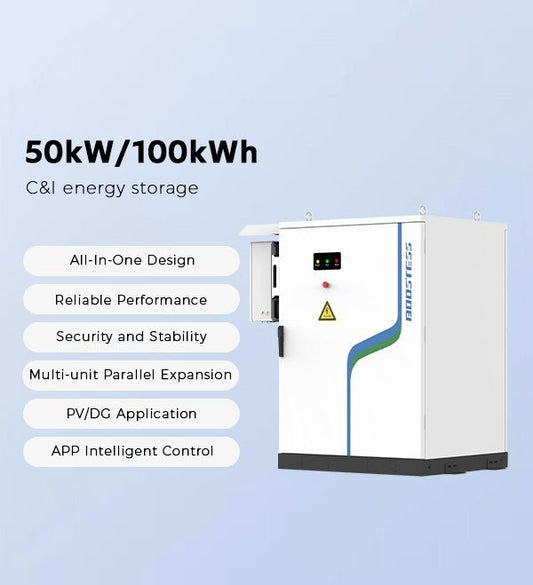
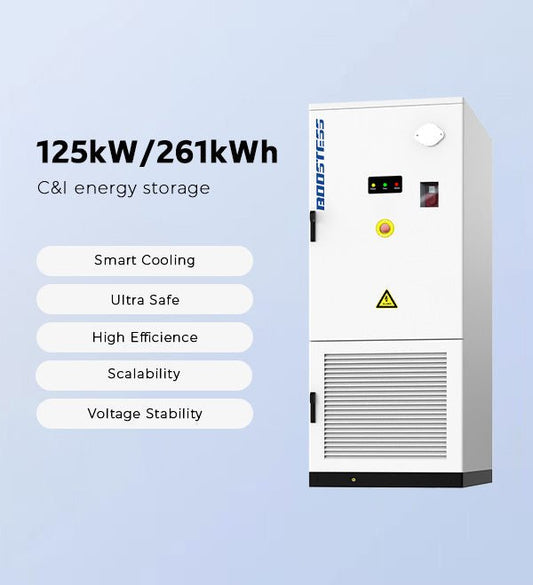
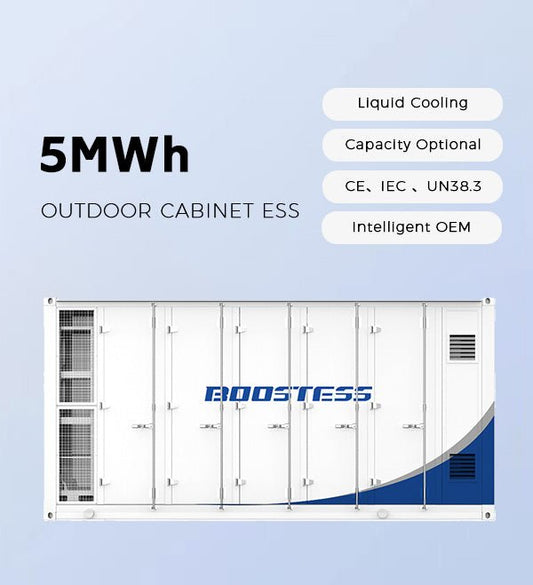
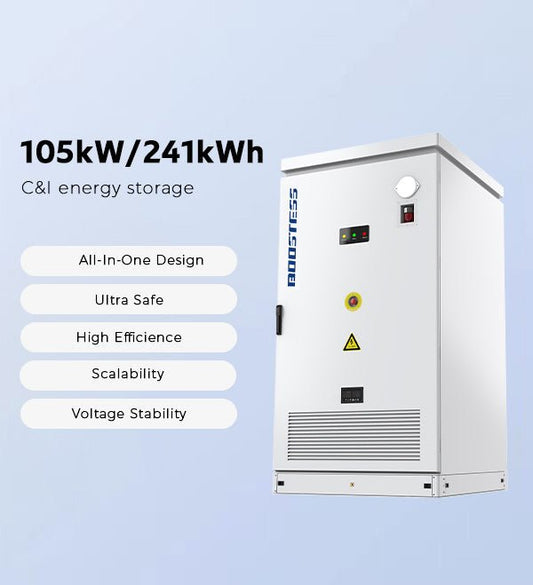
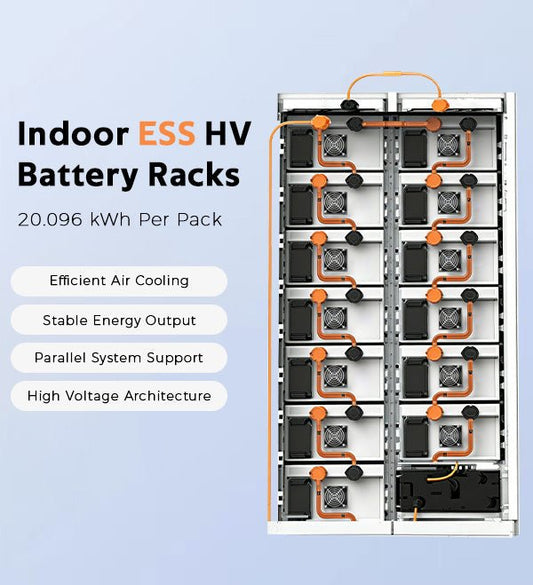
Battery racks, cabinets, or containers organize the battery modules into a complete system. Smaller systems may use indoor racks or outdoor cabinets, while larger projects often use containerized BESS units.
Battery management system, or BMS, protects the battery. It monitors voltage, temperature, current, state of charge, state of health, and alarms. A good BMS helps prevent overcharge, over-discharge, overheating, and cell imbalance.
Power conversion system, or PCS, controls the charging and discharging process between the battery and AC electrical system.
Energy management system, or EMS, decides when the BESS should charge, discharge, or stay on standby. It can optimize energy use based on electricity price, solar production, peak load, and backup needs.
Thermal management system keeps the batteries at a safe operating temperature. It may use air cooling, liquid cooling, HVAC, or heating equipment.
Fire protection system helps detect and reduce battery safety risks.
Transformer and switchgear connect the BESS to the building electrical system or utility grid.
Monitoring platform allows users to check performance, alarms, battery status, and energy flow.
For buyers, understanding these BESS components makes it easier to compare quotations and supplier quality.
Why Energy Buyers Need BESS
Energy buyers are not only looking for batteries. They are looking for better energy control. A well-designed BESS can help solve many common power problems.
For businesses with high electricity demand, BESS can reduce peak loads. This is called peak shaving. The battery discharges during high-demand periods so the site draws less power from the grid.
For solar projects, BESS stores excess solar energy and uses it later. This improves solar self-consumption and reduces wasted renewable power.
For facilities that need reliable electricity, such as hospitals, data centers, telecom sites, and factories, BESS can provide backup power during outages.
For sites with high electricity prices, BESS can support load shifting. The system charges when electricity is cheaper and discharges when electricity is more expensive.
In short, BESS gives energy buyers more flexibility and control.
Common BESS Applications
BESS is used in many energy projects. The right application depends on the site, load profile, electricity tariff, solar generation, and backup requirements.
Common BESS applications include:
- Commercial and industrial energy storage
- Solar battery storage system
- Peak shaving
- Demand charge reduction
- Backup power
- Load shifting
- EV charging support
- Microgrids
- Off-grid solar systems
- Utility-scale grid storage
- Renewable energy smoothing
For factories and warehouses, BESS can reduce demand charges. For hotels and hospitals, it can improve power reliability. For solar farms, it can shift solar energy into evening demand periods. For EV charging stations, it can reduce grid pressure and support faster charging.
Benefits of BESS for Energy Buyers
A battery energy storage solution can offer several important benefits.
The first benefit is cost reduction. BESS can help lower electricity bills through peak shaving, time-of-use optimization, and better solar energy use.
The second benefit is backup power. A properly designed BESS can support critical loads when the grid fails.
The third benefit is renewable energy integration. Solar and wind power are variable, but BESS stores extra energy and releases it later.
The fourth benefit is energy independence. Businesses can rely less on grid electricity and diesel generators.
The fifth benefit is power quality and stability. BESS can help smooth power fluctuations and improve site energy control.
For many buyers, the real value comes from combining several benefits in one system: solar storage, peak shaving, backup power, and energy management.
Important BESS Buying Terms
Before choosing a BESS, buyers should understand a few basic terms.
kW means power. It shows how much power the system can deliver at one time.
kWh means energy capacity. It shows how much energy the battery can store.
For example, a 500kW / 1,000kWh BESS can deliver 500kW of power and store 1,000kWh of energy. At full power, it could theoretically support the load for about two hours, depending on system design and usable capacity.
Cycle life means how many charge and discharge cycles the battery can provide before capacity drops to a certain level.
Depth of discharge shows how much of the battery capacity can be used.
Round-trip efficiency shows how much energy is returned after charging and discharging losses.
C-rate describes how fast a battery charges or discharges compared with its capacity.
Warranty and degradation explain how the battery is expected to perform over time.
These terms help buyers compare systems more accurately.
Battery Types Used in BESS
Different battery chemistries can be used in BESS projects.
LiFePO4 batteries, or lithium iron phosphate batteries, are widely used in modern commercial BESS because they offer strong safety, long cycle life, and stable performance.
Lithium-ion batteries are common because they provide high efficiency, fast response, and good energy density.
Lead-acid batteries are cheaper upfront but usually have shorter lifespan, lower usable capacity, and more maintenance.
Flow batteries may be used for long-duration storage where space is less limited.
Sodium-ion batteries are an emerging option that may become more common in future energy storage markets.
For most commercial battery energy storage projects, LiFePO4 is often preferred because it provides a good balance of safety, lifespan, cost, and reliability.
How to Size a BESS
Correct sizing is one of the most important decisions for energy buyers. A system that is too small may not deliver enough savings or backup time. A system that is too large may increase cost without improving returns.
To size a BESS, buyers should consider:
- Peak power demand
- Daily electricity consumption
- Required backup time
- Solar PV capacity
- Electricity tariff structure
- Demand charges
- Critical loads
- Available installation space
- Future expansion plans
Power rating and energy capacity are different. A 100kW system tells you how much power it can deliver. A 215kWh system tells you how much energy it can store. Both values must match the project goal.
Professional load analysis is recommended for commercial and industrial projects.
BESS Cost Factors Buyers Should Know
BESS cost depends on much more than battery capacity. Two systems with the same kWh rating may have very different prices because of PCS size, cooling method, fire protection, enclosure type, grid connection, and warranty.
Main BESS cost factors include:
- Battery capacity
- PCS power rating
- Battery chemistry
- Thermal management
- Fire protection system
- Transformer and switchgear
- Installation and commissioning
- Monitoring system
- Grid connection requirements
- Certifications
- Warranty and service support
Energy buyers should compare total lifecycle cost, not only upfront price. A cheaper system may cost more over time if it has poor efficiency, short cycle life, weak safety design, or limited after-sales service.
Safety and Quality Checklist
Safety should be a top priority when buying BESS. A quality system should include strong protection at the battery, electrical, thermal, and system control levels.
Before purchasing, buyers should check:
- Battery certifications
- BMS protection functions
- PCS and inverter compatibility
- Fire detection and suppression
- Cooling system design
- Short-circuit and overcurrent protection
- Emergency shutdown system
- Monitoring and alarm functions
- Supplier project experience
- Warranty terms
- Installation standards
For larger systems, professional engineering and commissioning are essential.
How to Choose the Right BESS Supplier
Choosing the right BESS supplier is as important as choosing the battery size. A reliable supplier should provide technical support, system design guidance, product documentation, warranty service, and after-sales support.
Energy buyers should avoid selecting only the lowest price. Instead, compare supplier experience, battery quality, BMS design, PCS compatibility, certifications, delivery capability, and service response.
A good supplier should help buyers understand the application, calculate the correct system size, recommend suitable equipment, and provide clear technical documents.
Final Thoughts
The BESS meaning is Battery Energy Storage System, but for energy buyers, it means much more than a technical abbreviation. It represents a smarter way to store, manage, and use electricity.
A BESS can reduce energy costs, store solar power, provide backup energy, support peak shaving, improve grid reliability, and increase energy independence. It is used in factories, warehouses, hotels, hospitals, data centers, farms, solar projects, EV charging sites, microgrids, and utility-scale storage.
For buyers, the key is to understand the system, not just the battery. The right BESS should match the site load, power demand, backup time, safety requirements, solar generation, and long-term business goals.
When selected correctly, a battery energy storage system can become a valuable energy asset that improves reliability, reduces operating costs, and supports a cleaner power future.